Resources
Why Are More and More Brands Choosing Plant-Based Cat Litter OEM?
The global cat litter market has witnessed obvious industrial transformation in recent years. Traditional bentonite cat litter has seen its market share decline year after year due to heavy dust, non-biodegradable composition and poor environmental performance. Instead, plant-based cat litter has become the mainstream trend at home and abroad. Cross-border export brands, premium pet brands and offline supermarket channels almost all prioritize plant litter such as tofu cat litter and cassava cat litter.
Many emerging brands achieve rapid sales growth for one core reason — they picked the right track. Plant-based cat litter features higher safety, low dust, flushable and biodegradable properties, perfectly matching the global eco-friendly consumption trend.
However, sales are not the biggest challenge for brand owners; stable OEM supply chains are.Most cat litter factories on the market still adopt shared mixed production lines and outsourced raw materials. This leads to common defects of plant litter: inconsistent quality across batches, occasional cross-odor contamination and unstable clumping performance. Once product quality fails, store ratings, repurchase rates and brand reputation will suffer direct losses.
A reliable plant-based cat litter supply chain for long-term brand operation must meet three core requirements: self-controlled raw materials, dedicated independent production lines and large stable daily output.
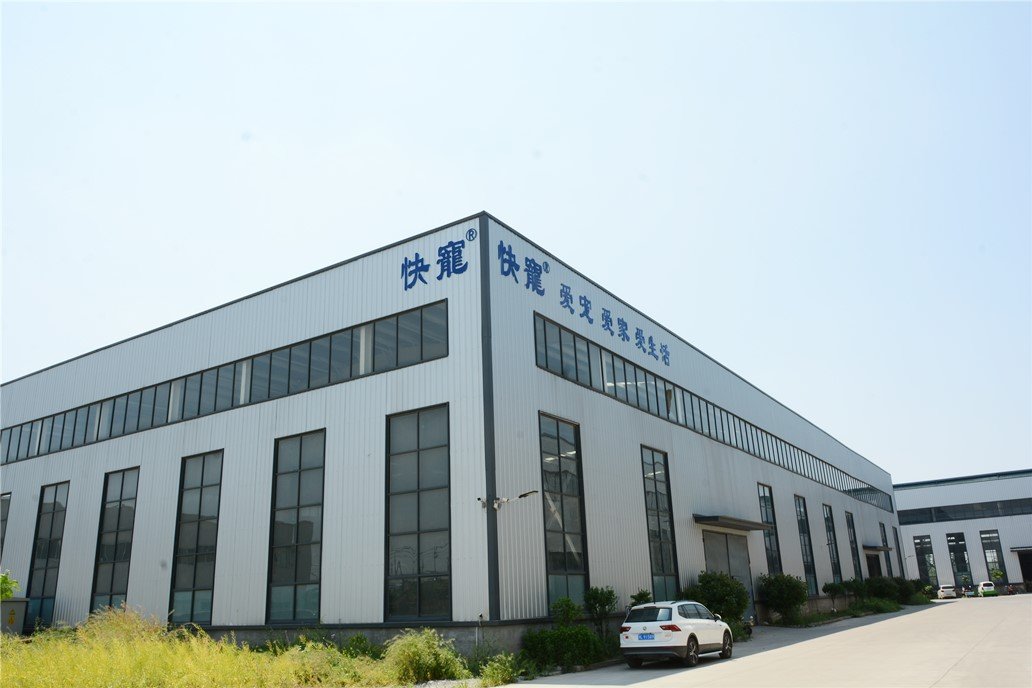
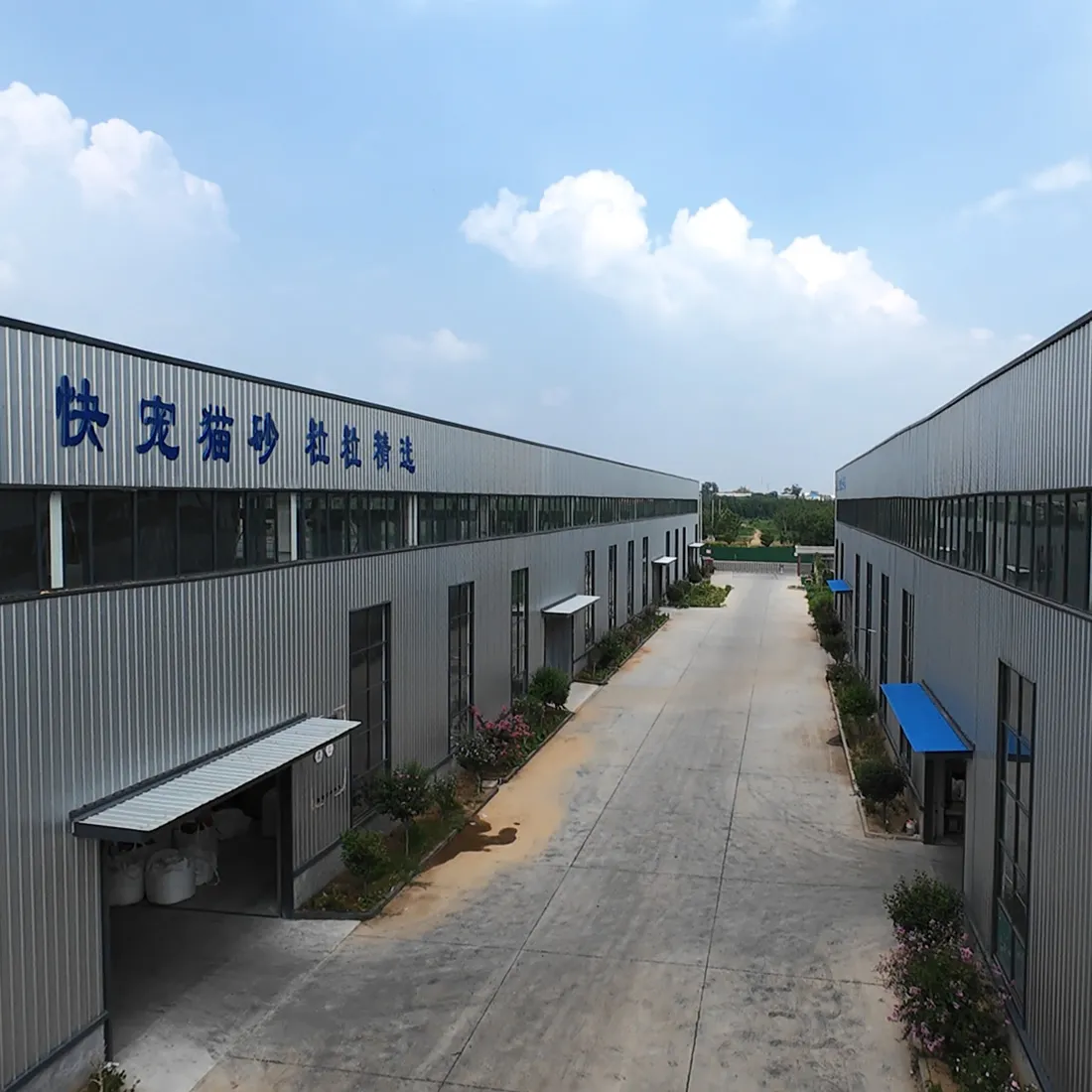
Our source factory operates an in-house soybean dreg processing plant to lock in raw material freshness and purity from the source, eliminating the mixing of inferior auxiliary materials. Four fully automatic independent production lines run in separate zones for tofu litter and cassava litter, completely avoiding cross-contamination of odors and dust. We maintain a stable daily output of 300 tons, ensuring zero stockouts and on-time deliveries for brands whether for regular restocks or peak-season order surges.
Plant-based cat litter will remain the dominant track of the pet industry over the next decade. If you aim to build a sustainable long-term brand, choosing the right manufacturing partner matters far more than picking product formulas.
related news


I need help.
Prefer talking to people rather than filling out forms? Call TEL and we'll answer any questions you have.

 English